

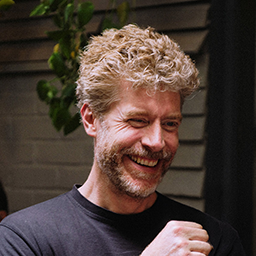

Johannes König - Short Bio
Hannes’ journey into AI-assisted coding reflects a blend of creative practice, technical curiosity, and entrepreneurial problem solving. Having started out coding websites as a teenager during the early days of interactive web development, his career later shifted into architecture and eventually full-time 3D visualisation. After spending more than a decade helping grow the Berlin office of bloomimages, he moved into film and interactive experiences at wearenarrativ in London, where coding once again became part of his creative workflow through customised virtual tours and interactive tools. More recently, his focus has evolved toward web-based digital twins and Gaussian Splatting technologies, where AI coding has become a key enabler in rapidly developing frontend systems, data conversion tools, and custom 3D workflows.
Rather than identifying as a traditional software engineer, Hannes describes himself as a “vibe coder” with a strong understanding of technical systems, algorithms, and data flow. That foundational knowledge has proven valuable when working with AI coding tools, particularly in areas like prompting, debugging, and planning larger projects. Tools such as Cursor have become central to his workflow because they combine AI-assisted generation with human oversight, allowing him to review, approve, or revert changes as needed. For Hannes, the appeal of AI coding is ultimately about speed and ambition — enabling him to tackle projects and ideas that would have felt too time-consuming or complex to approach manually.
At the same time, his perspective on AI coding is notably pragmatic rather than overly optimistic. While he believes AI can generate code faster and often with fewer mistakes than humans, he also points out its limitations, especially when working with niche software, unusual APIs, or non-standard command-line workflows. In these situations, manual debugging and a real understanding of the underlying systems are still essential.
Advice
His advice to newcomers strongly emphasises preparation and structured thinking: research first, break large problems into manageable tasks, ask the AI to restate and explain its plan before execution, and remain flexible when approaches fail. In his view, successful AI coding is less about blindly generating code and more about directing, refining, and collaborating with the machine effectively.
A sample of portfolio work


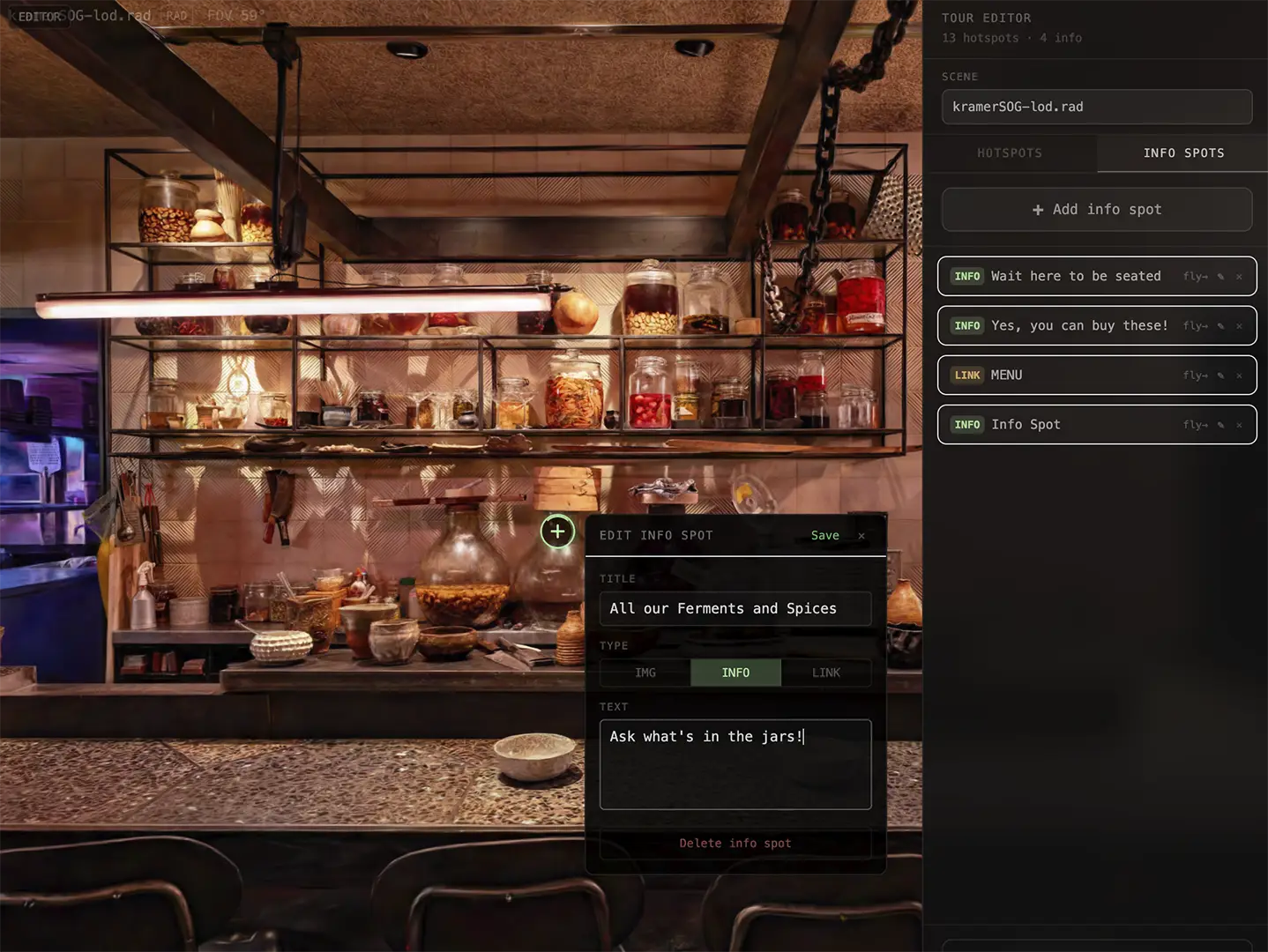
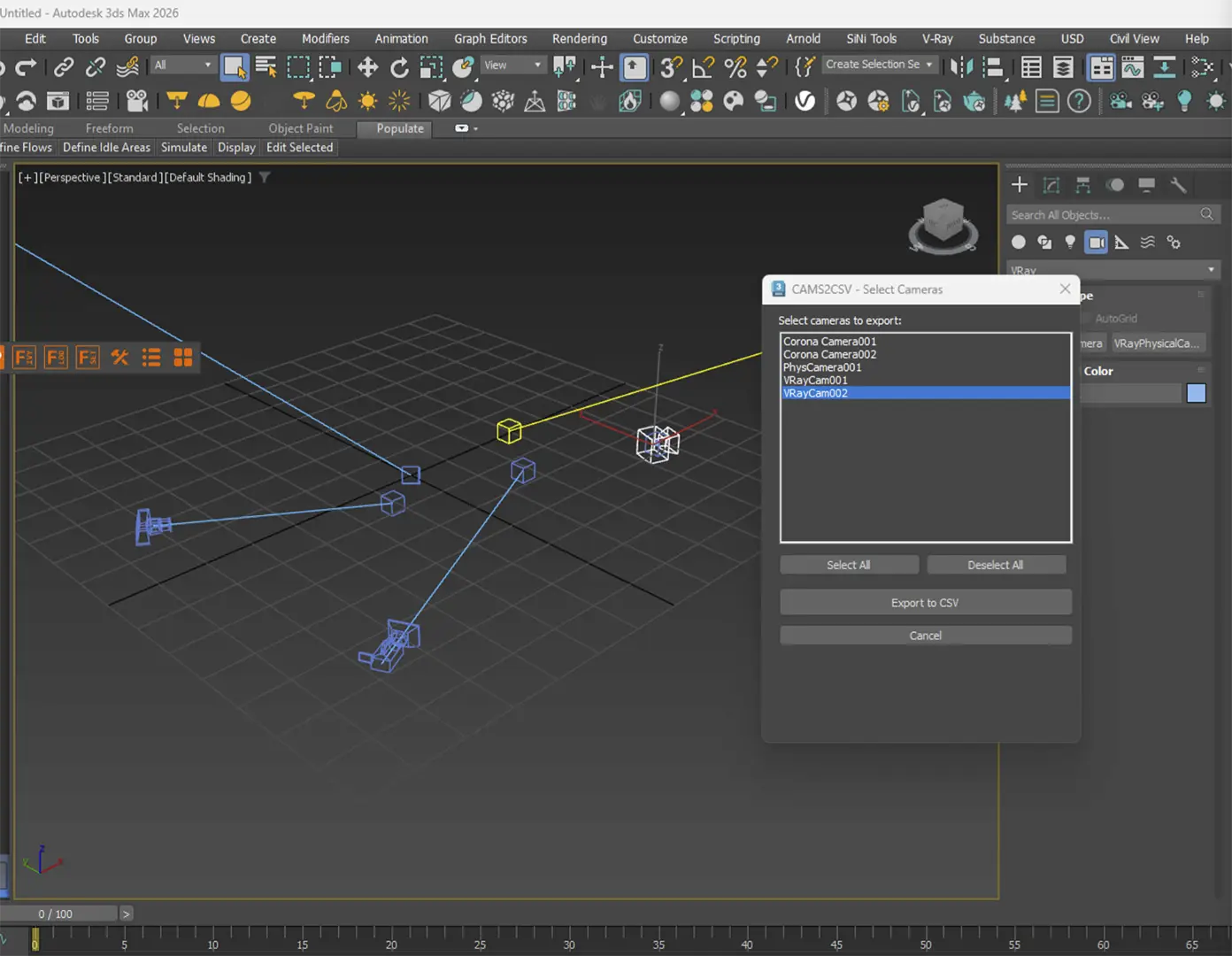

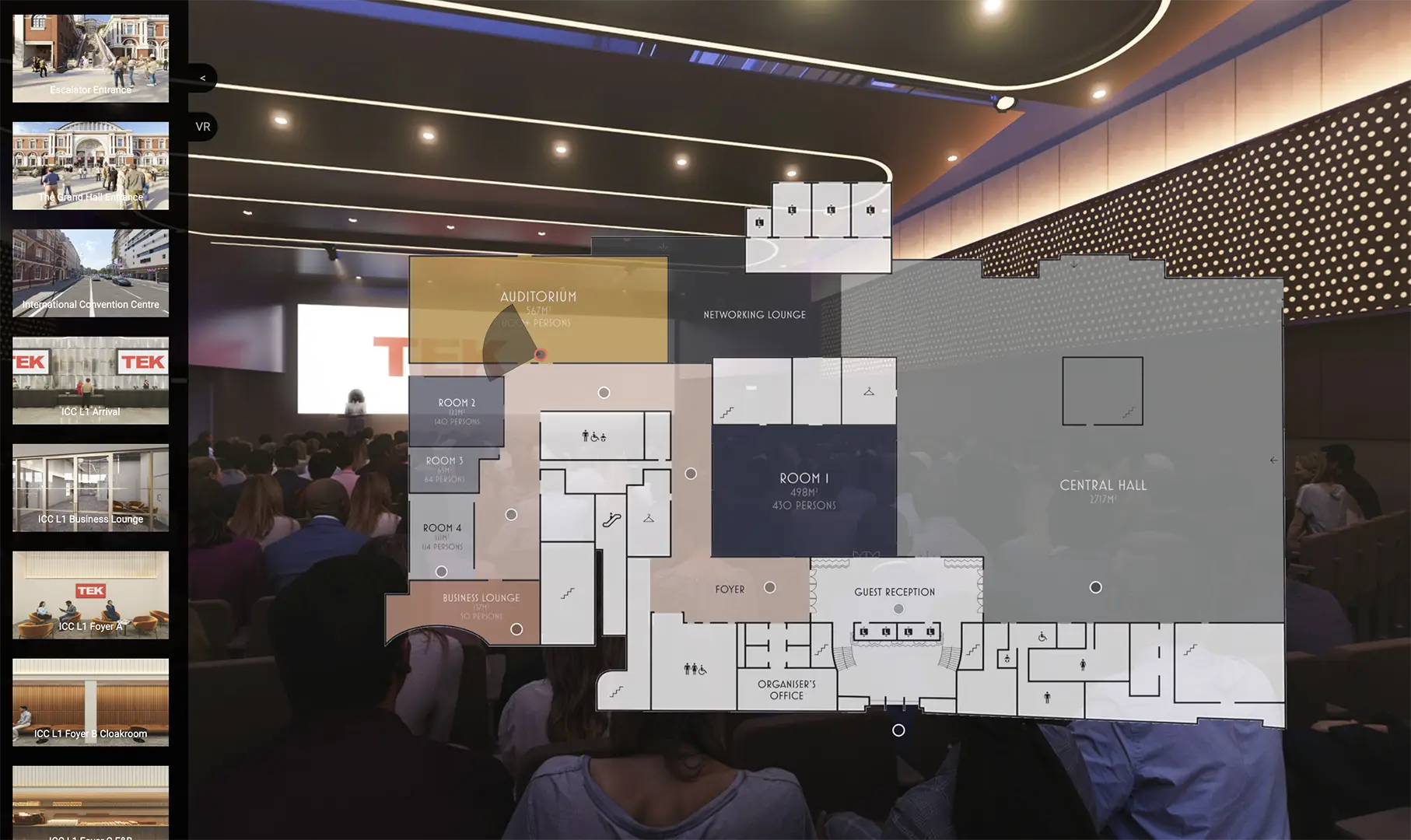
Software brands I vibe code for..